The highly anticipated 2026 FIFA World Cup took place in North America, with the United States, Canada, and Mexico sharing hosting duties. Despite initial concerns regarding the logistical challenges of hosting the tournament across three countries, the event ultimately proved to be a resounding success, with a record-breaking number of fans flocking to the host cities to witness the world’s top football talent in action.
The atmosphere in the host cities was electric, with fans from all over the globe converging on the stadiums to cheer on their favorite teams. The iconic Rose Bowl in Pasadena, California, was one of the main venues for the tournament, and the energy inside the stadium was palpable as fans packed the stands to watch the likes of Brazil and Argentina go head-to-head.
Another major attraction was the revamped Lusail Iconic Stadium in Guadalupe, Mexico, which hosted several high-profile matches, including the highly anticipated semifinal clash between France and Morocco. The stadium’s state-of-the-art facilities and cutting-edge technology ensured that fans had an unparalleled viewing experience, with massive screens and a retractable roof providing the perfect setting for the world’s top football stars to shine.
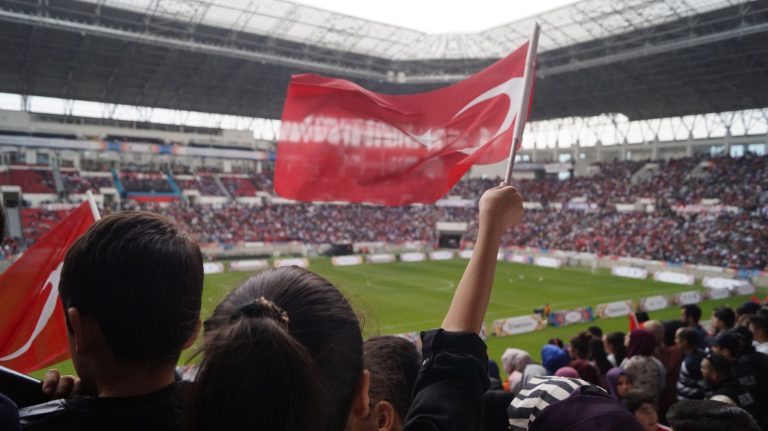
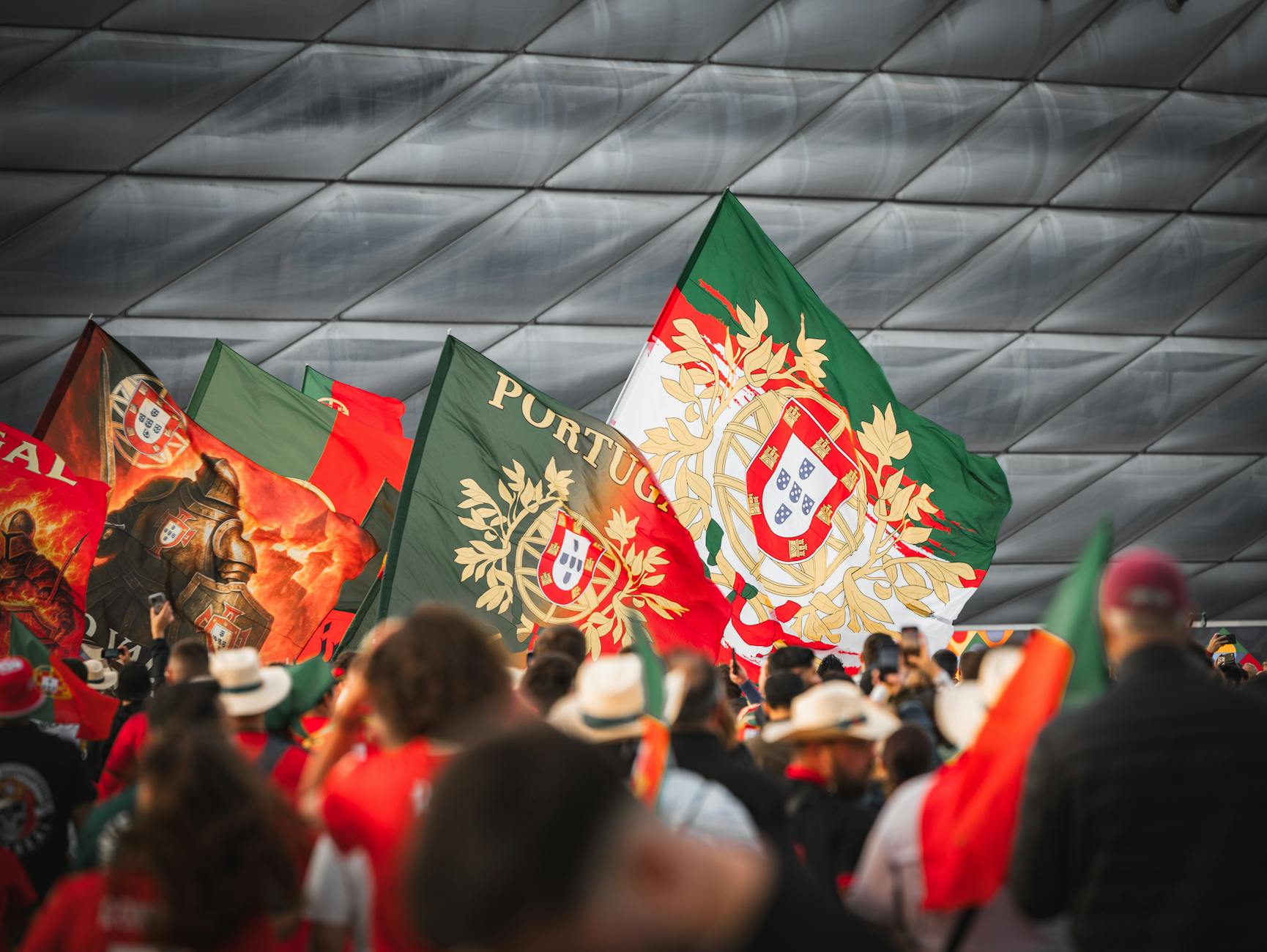
Meanwhile, in Toronto, Canada, the newly renovated BMO Field played host to several exciting matches, including a thrilling tie between England and Senegal. The electric atmosphere inside the stadium was fueled by a sea of flags and banners, with fans from both teams creating a deafening din that echoed throughout the city.
As the tournament progressed, the host cities continued to impress, with each one showcasing its unique character and charm. From the sun-kissed beaches of Miami to the vibrant streets of Mexico City, fans were treated to a cultural odyssey that was as much a part of the World Cup experience as the football itself.
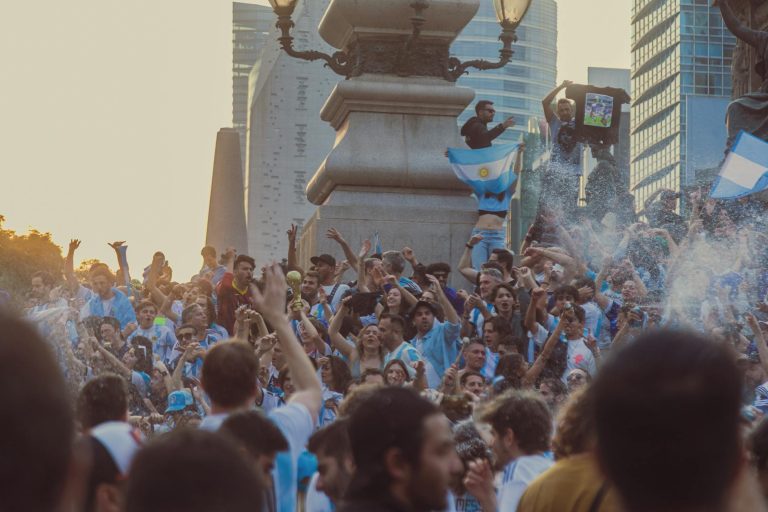
As the final whistle blew on the tournament, fans from all over the world came together to celebrate the triumph of the victors, with the United States emerging as the eventual champions. The atmosphere in the host cities was one of unbridled joy and elation, with fans from all over the world uniting in their love of the beautiful game.
The success of the 2026 FIFA World Cup has set a new standard for future tournaments, with the host cities proving that with careful planning and execution, the impossible can become possible. As the dust settles on this incredible event, one thing is clear: the 2026 FIFA World Cup will be remembered for years to come as one of the greatest tournaments in history.